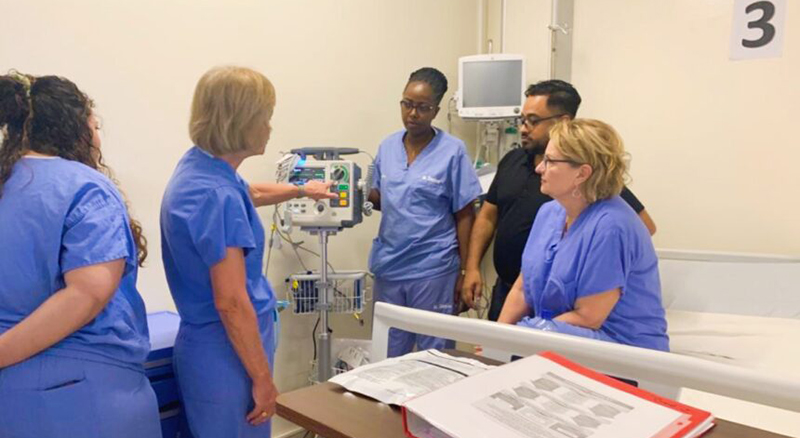
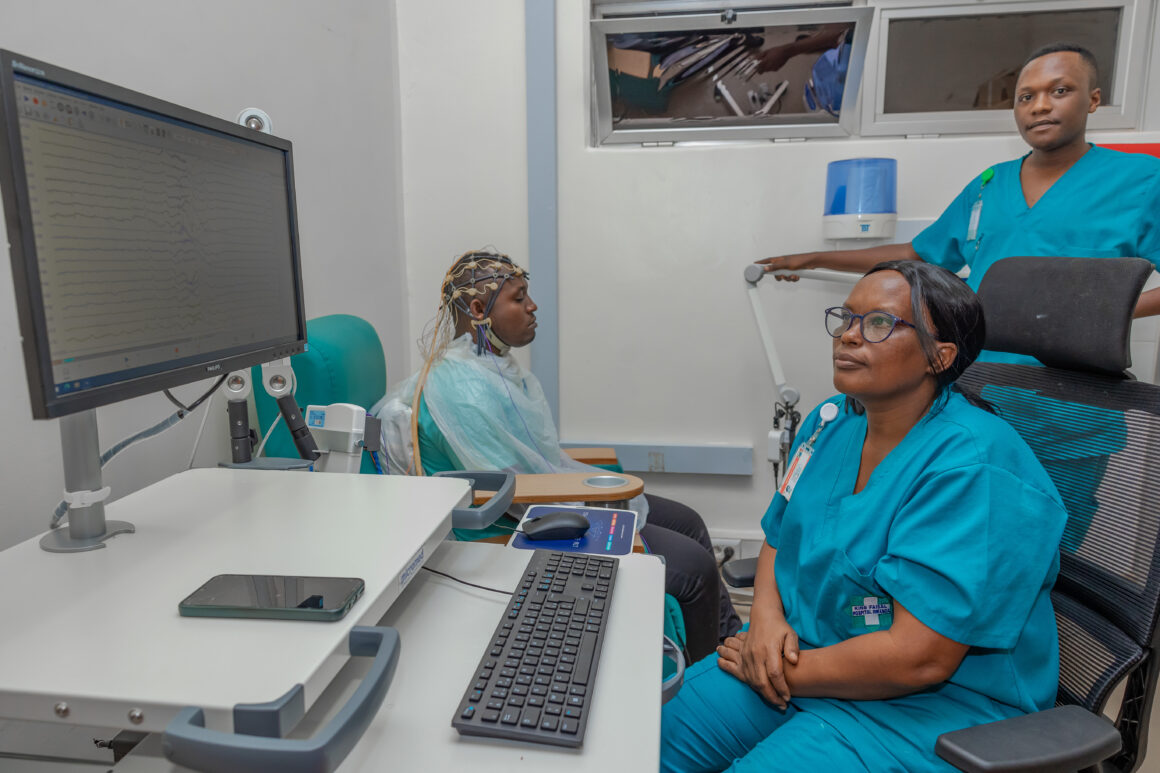
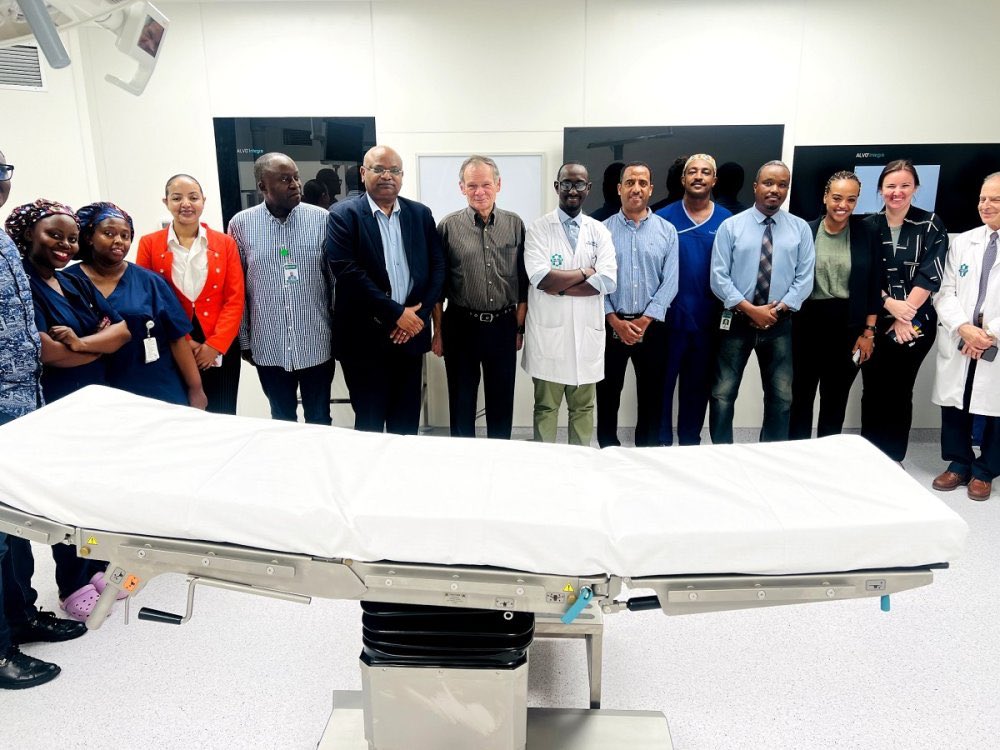
King Faisal Hospital Rwanda (KFH) has officially inaugurated its state-of-the-art…
Ketamine Treatment & Research Center
The Ketamine Treatment & Research Center offers innovative, evidence-based care for individuals suffering from severe depression, suicidality, post-traumatic stress disorder (PTSD), and other treatment-resistant mood disorders. Our multidisciplinary team provides intravenous (IV) ketamine infusions in a safe, medically supervised setting, with integrated psychotherapy to support long-term healing.
Ketamine, originally developed as an anesthetic, has been shown to reduce symptoms of depression and suicidal thoughts rapidly — often within hours to days — especially in patients who have not responded to traditional treatments. It also offers significant relief for individuals living with chronic PTSD by reducing intrusive thoughts, emotional numbness, and hypervigilance.
The clinic serves adults seeking a new path toward mental wellness, using cutting-edge treatments to restore hope and functioning.
Frequently Asked Questions (FAQs)
Ketamine is a medication originally used for anesthesia. At much lower doses, it rapidly relieves symptoms of severe depression, suicidal thoughts, PTSD, and anxiety disorders. It enhances neuroplasticity — the brain’s ability to form new healthy connections.
Treatment-resistant depression
Suicidal thoughts or behaviors
PTSD
Severe anxiety unresponsive to treatment
A full psychiatric evaluation is required before treatment.
Patients receive a low-dose IV infusion over 50–60 minutes in a quiet, private room. A psychologist accompanies the patient, followed by an integration session.
Most patients start with six infusions over 2–3 weeks. Maintenance treatments follow based on progress.
Yes. When supervised medically, ketamine is safe. Side effects such as nausea or dizziness are temporary.
Yes. Integration therapy improves long-term mental health outcomes.
Improvements often appear after 1–3 infusions.
No. A driver is required due to temporary cognitive effects.
At therapeutic doses in a medical setting, addiction risk is very low.
Schedule a psychiatric evaluation. If you already have a mental health provider, they may refer you to the clinic.
Eligibility Criteria for Ketamine Infusion Treatment
✅ Inclusion Criteria (Who Is Eligible)
Treatment-resistant depression (failed at least two antidepressants)
Suicidal ideation or recent suicidal behavior
Post-traumatic stress disorder (PTSD)
Severe anxiety disorders not responding to standard treatment
Alcohol use disorder evaluated case-by-case
Age 18 and above
Medically stable for IV infusion
Able to provide informed consent
Willing to participate in integration psychotherapy
Under psychiatric care during treatment
❌ Exclusion Criteria (Who Is Not Eligible)
Uncontrolled hypertension or serious cardiovascular disease
History of psychotic disorders (schizophrenia, schizoaffective disorder)
Current substance use disorder involving ketamine or dissociatives
Pregnancy or breastfeeding
Severe liver disease or intracranial pressure issues
Uncontrolled epilepsy or seizure disorder
Active manic episode in bipolar disorder (unless stabilized)