
King Faisal Hospital officially launches psychiatric treatment using the drug…
May 1, 2025
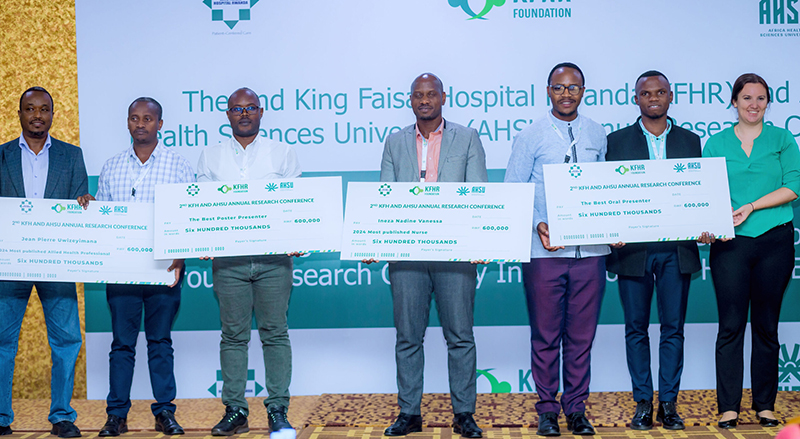
King Faisal Hospital honors researchers at 2nd Research Day.
King Faisal Hospital in partnership with Africa Health Science University,…
April 14, 2025
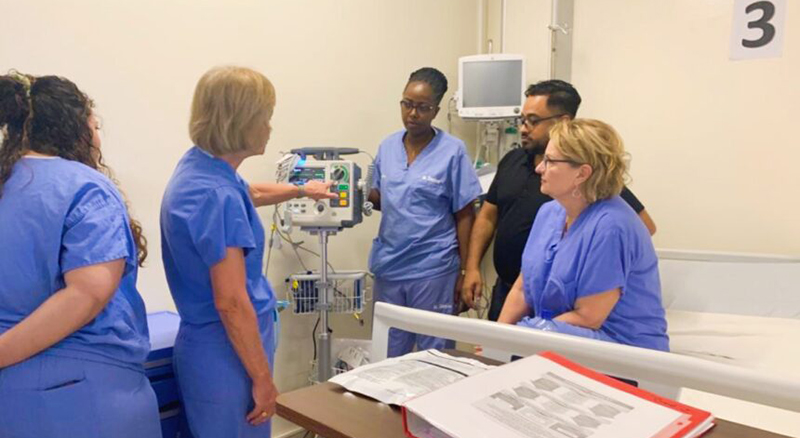
Canadian Rwanda Open Heart Missions revolutionize cardiac care.
In 2019, cardiac surgeon and Dalhousie alum Keir Stewart (MD…
April 8, 2025
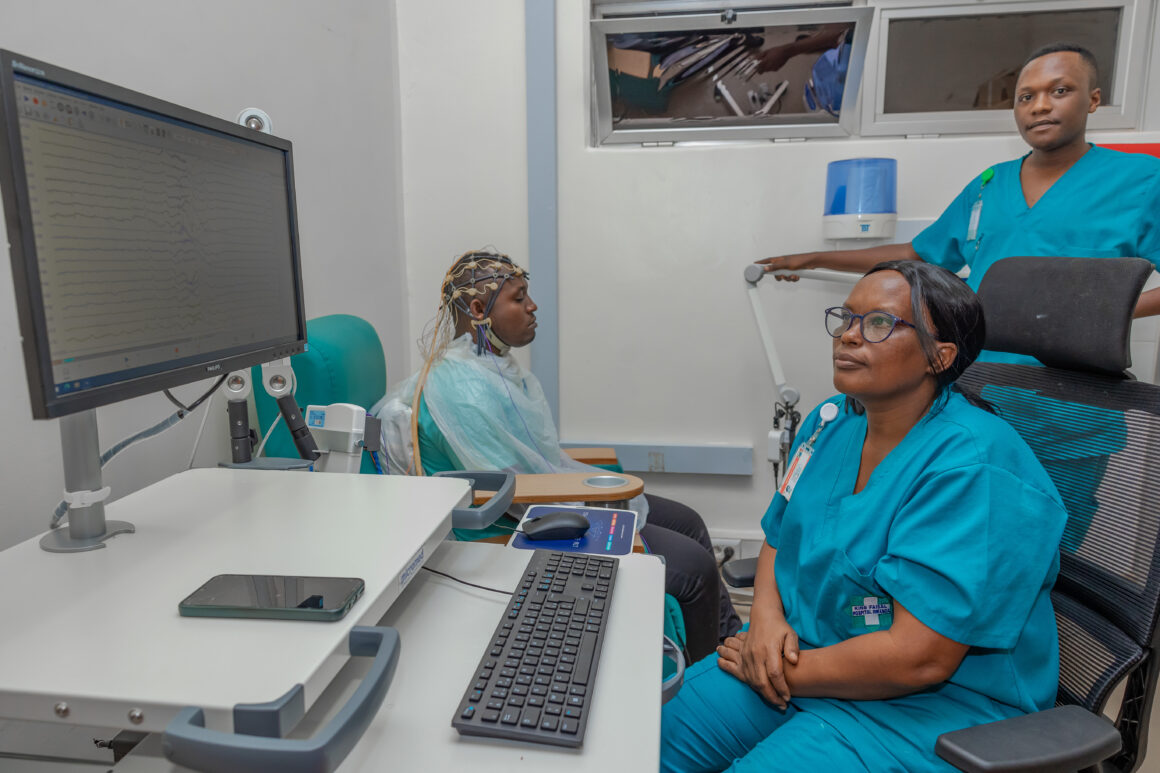
King Faisal Hospital (KFH) unveils a new unit dedicated to the treatment of neurological diseases.
April 17th, 2024; The Unit was launched on April 25, 2024,…
March 15, 2025
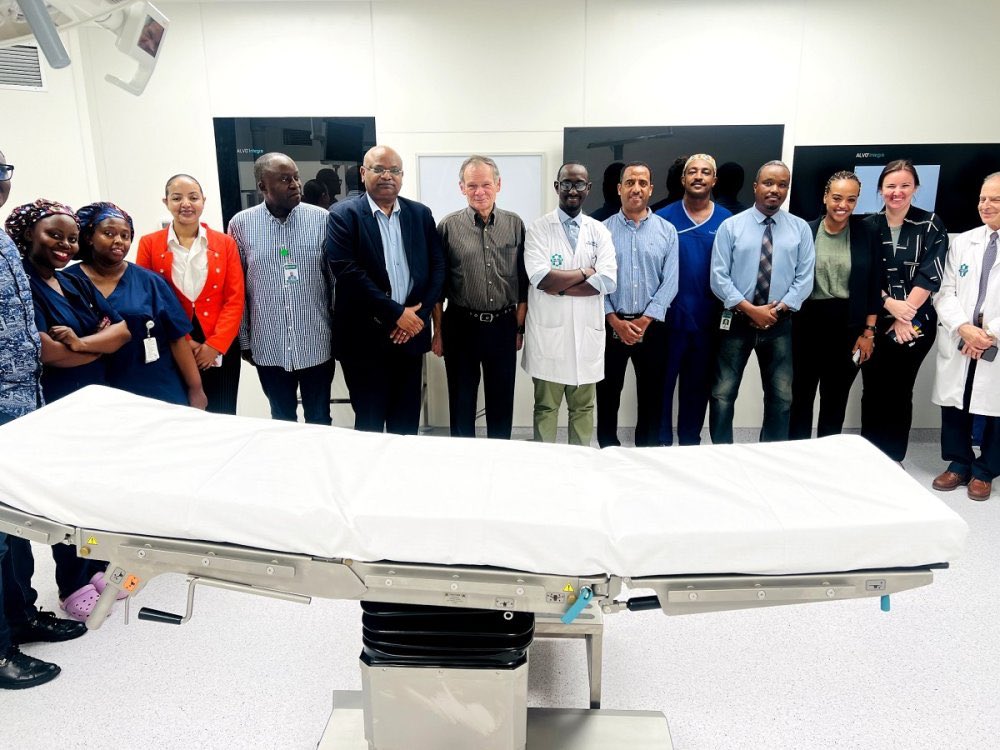
KING FAISAL HOSPITAL INAUGURATES NEW ADVANCED MODULAR HEART SURGURY THEATRE
King Faisal Hospital Rwanda (KFH) has officially inaugurated its state-of-the-art…
Nephrology
Comprehensive Kidney Care & Renal Support at King Faisal Hospital Rwanda
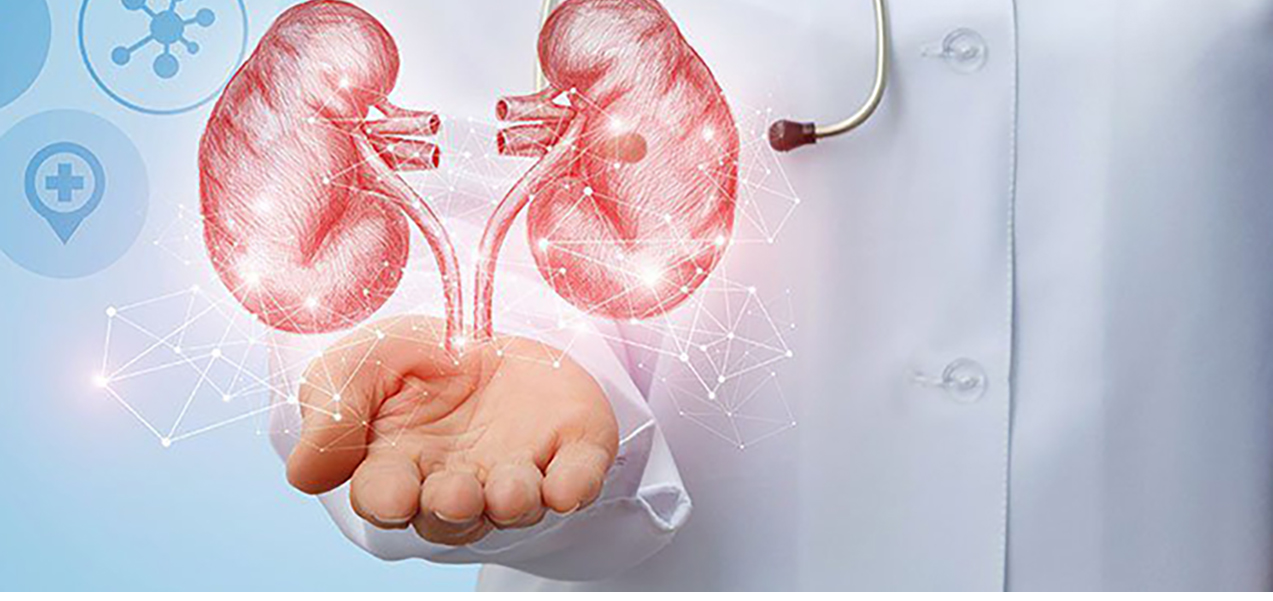
The Nephrology Unit at King Faisal Hospital Rwanda is a leading center for advanced kidney care, offering expert diagnosis and treatment for a full range of renal disorders. Designed to serve both outpatient and inpatient needs, the department delivers evidence-based, compassionate care for patients at every stage of kidney disease—from early detection to dialysis and transplant support.
The unit is staffed by experienced nephrologists, renal nurses, dialysis technicians, and nutritionists who work together to provide individualized treatment plans that address both the medical and lifestyle needs of each patient.
Conditions Treated
Specialized care is available for a wide spectrum of kidney-related conditions, including:
- Chronic Kidney Disease (CKD) and early-stage renal insufficiency
- Acute Kidney Injury (AKI)
- End-Stage Renal Disease (ESRD)
- Glomerulonephritis and autoimmune kidney diseases
- Kidney stones and recurrent urinary tract infections
- Hypertension-related kidney damage
- Polycystic Kidney Disease (PKD)
- Nephrotic syndrome and proteinuria
Specialized Services & Interventions
The Unit is fully equipped with cutting-edge technologies and facilities for both diagnostics and treatment:
1. Hemodialysis Services
– 24-hour Renal Center equipped with modern dialysis machines
– Flexible scheduling for day and night dialysis sessions
– Infection-controlled environment for patient safety and comfort
2. Kidney Biopsy & Lab Investigations
– Precision diagnosis through pathology and imaging collaboration
3. Renal Nutrition Counseling
– Diet plans tailored to kidney function and dialysis needs
4. Medication Management
– Optimization of treatment for electrolyte balance, blood pressure, and anemia
Kidney Transplant Support
King Faisal Hospital Rwanda is proud to be a national leader in kidney transplant services. The nephrology team plays a central role in:
- Pre-transplant evaluation and donor matching
- Post-transplant follow-up and immunosuppressive therapy monitoring
- Patient education and long-term care planning
For detailed information on kidney transplant procedures, eligibility, and support, please visit our dedicated Kidney transplant page or speak to your nephrologist for referral.
Meet Our Doctors